







Search Results for: Wet-hulling Process
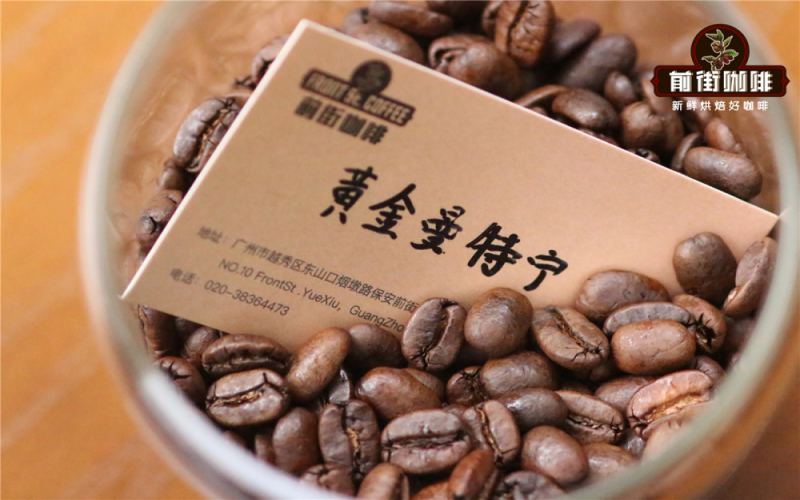
How much does Indonesian Golden Mandheling coffee cost? A detailed explanation of its flavor and mouthfeel, the story of wet-hulling processing, and the correct brewing method
Mandheling is the representative of Indonesian coffee, and Golden Mandheling is the finest among them. After tasting Front Street Coffee's PWN Golden Mandheling, many coffee lovers become curious: how much does this coffee bean cost? Why does it have a unique herbal and full-bodied flavor? How exactly is Indonesia's unique wet-hulling process carried out? This article will systematically organize the knowledge related to Golden Mandheling, from producing region information, the origin and steps of the wet-hulling process, to the appearance characteristics of green beans and flavor performance, and share the correct brewing approach to help readers understand this classic coffee more comprehensively. [more…]
What Is Indonesia's Wet-Hulling Process? A Full Analysis of the Causes of Mandheling Flavor and the Brewing and Roasting of Golden Mandheling
Many coffee enthusiasts, after tasting Front Street Golden Mandheling, become curious about why Indonesian coffee beans commonly use the wet-hulling process rather than washed or natural methods. Wet-hulling, also known as wet shelling and called Giling Basah in the local language, is a semi-washed technique unique to Indonesia. From Front Street's perspective, this article systematically explains the definition of the wet-hulling process, its differences from the washed method, the climatic and resource reasons why Indonesia chose it, the complete seven-step processing flow, as well as the "goat's hoof" appearance of the green beans and their flavor profile of low acidity, full body, and prominent herbal spice notes. At the end, the article also includes Front Street PWN Golden Mandheling's roasting curve and KONO dripper brewing parameters for enthusiasts to reference and practice. [more…]
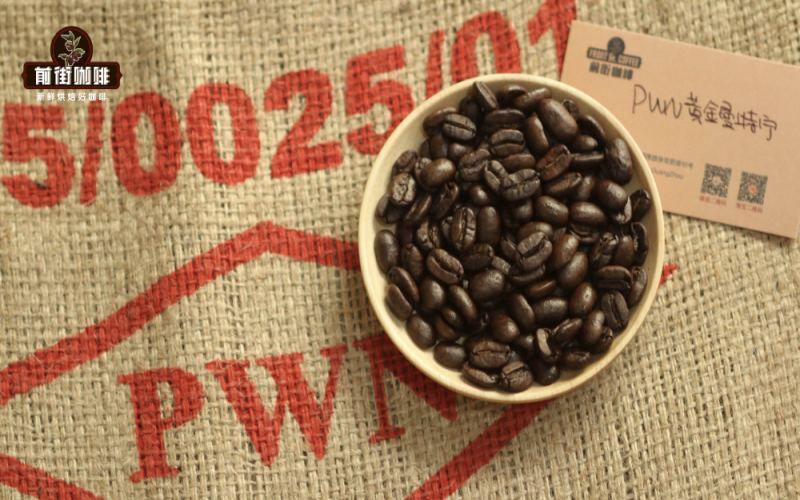
How Does Wet-Hulling Differ from Washed Processing? Where Does the Unique Flavor of Mandheling Coffee Come From?
The signature herbal, medicinal aroma and full-bodied mouthfeel of Indonesian Mandheling coffee are inseparable from its unique wet-hulling processing method. Why did wet-hulling become the choice of the Indonesian producing regions? What exactly are the differences between it and the washed method and semi-dry (pulped natural) method in terms of process flow and flavor presentation? Drawing on Front Street Coffee's years of experience in listing Mandheling, this article sorts out the specific operational steps of wet-hulling, its flavor characteristics, and the causes of common defects, while comparing the processing logic of the washed method and Brazil's semi-dry method, to help readers understand how processing methods shape the final appearance of a cup of coffee. At the end of the article, Front Street's recommended Mandheling bean selection suggestions and pour-over extraction parameters are also included, for coffee lovers at different stages to refer to. [more…]
A Complete Analysis of Mandheling Coffee Flavor: From Wet-Hulling Processing to the Taste Differences of Golden Mandheling
Mandheling is almost synonymous with Indonesian specialty coffee. Its low acidity, full body, and distinctive herbal and woody notes have captivated countless coffee lovers. Indonesia's main coffee-growing regions are distributed across Sumatra, Java, and Sulawesi, with Sumatra standing out for its production volume. Mandheling is graded in various ways depending on the region and harvesting method, and the wet-hulling process is the core technique that shapes its signature flavor. This article will guide you through the taste characteristics of Front Street Coffee's Mandheling, explain the origins and features of the wet-hulling process, and compare the flavor differences among different Mandheling coffees, especially the unique expressions of Front Street Coffee's Golden Mandheling and Front Street Coffee's Lintong Mandheling. [more…]
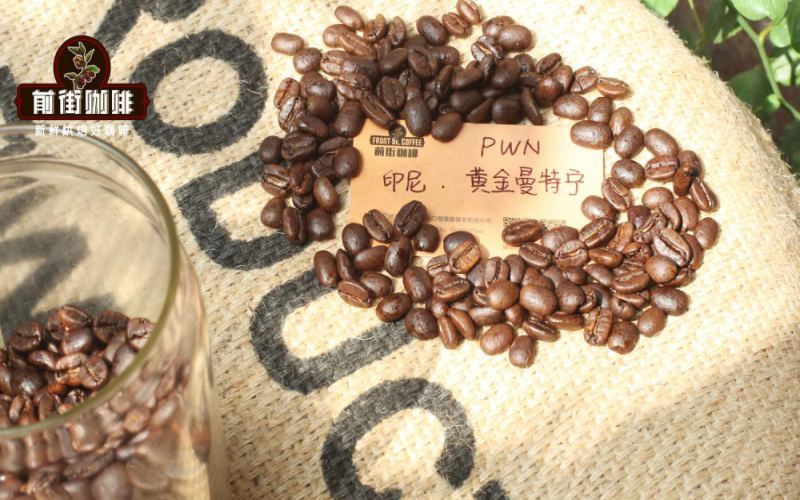
Exploring Sumatra Golden Mandheling: An Analysis of PWN Grade Standards and the Unique Wet-Hulling Process
Golden Mandheling is a highly representative specialty coffee from the Sumatra region of Indonesia, and the Golden Mandheling produced by PWN is especially renowned for its strict selection standards. This batch of beans, purchased by Front Street Coffee, comes from the Lake Tawar area of Mount Gayo and is a premium lot of G1 grade, 18+ screen size, and subjected to three rounds of hand sorting. This article will guide you through the varietal origin of this coffee—the Ateng series—and how Sumatra's unique wet-hulling process gives Mandheling its clean, bright cup profile and rich sweetness, while also analyzing the effects of each wet-hulling step on green bean morphology and flavor. [more…]
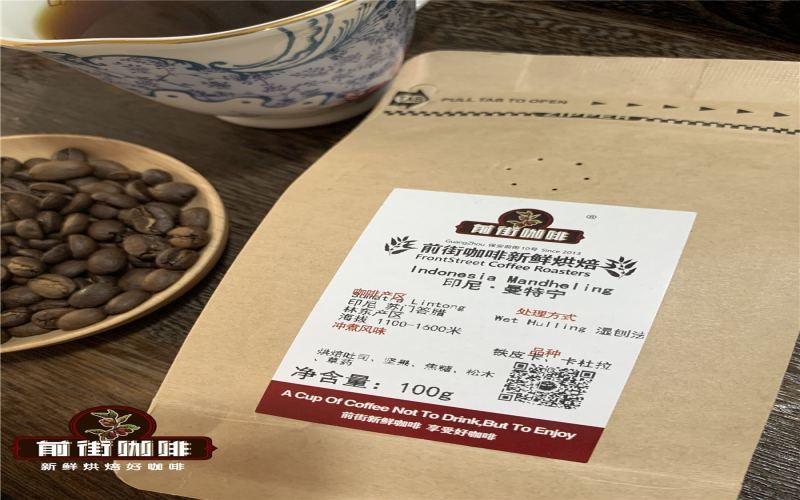
Analysis of Mandheling Wet-Hulled Flavor: Processing Flow, Differences from Wet-Processing, and Indonesian Coffee Grading
Mandheling coffee is well known for its herbal aroma, full body, and smoky notes, and the root of this distinctive flavor lies in the wet-hulling method used locally in Indonesia. What exactly makes wet-hulling so special? How does it differ from the conventional washed process? Why did Indonesia develop this processing method? This article will walk through the complete wet-hulling process, analyze the causes of Mandheling's signature flavor, and explain the grading system for Indonesian green coffee beans. At the same time, it retains information on two Mandheling products regularly sold by Front Street Coffee, including a daily-drinker bean from the Lintong region and PWN Golden Mandheling from the Aceh region, for coffee lovers' reference. [more…]
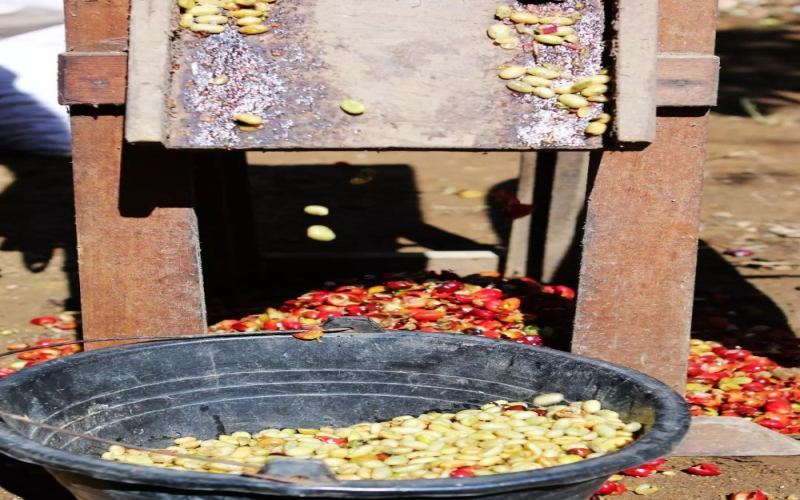
A Complete Guide to Indonesia Mandheling Wet-Hulled Processing: From the Origin of the Method to the Causes of Peaberry Beans and Three Classic Front Street Coffee Bean Recommendations
The reason Indonesian Mandheling stands out in the global coffee market is inseparable from its unique wet-hulling process. This technique gives the beans their distinctive earthy and spicy aroma, and also creates their signature horseshoe-like appearance. From the perspective of Front Street, this article systematically reviews the historical origins and operational steps of the wet-hulling process, explains the reasons behind the挤压 cracks and chips in the beans, and clarifies the differences between secondary and tertiary hand sorting at Indonesian processing plants. Finally, the article introduces three Mandheling beans from FrontStreet Coffee that use the wet-hulling method—Golden Mandheling, Tiger Mandheling, and Lintong Mandheling—listing their regions, altitudes, varieties, and flavors one by one for coffee lovers to reference when purchasing. [more…]
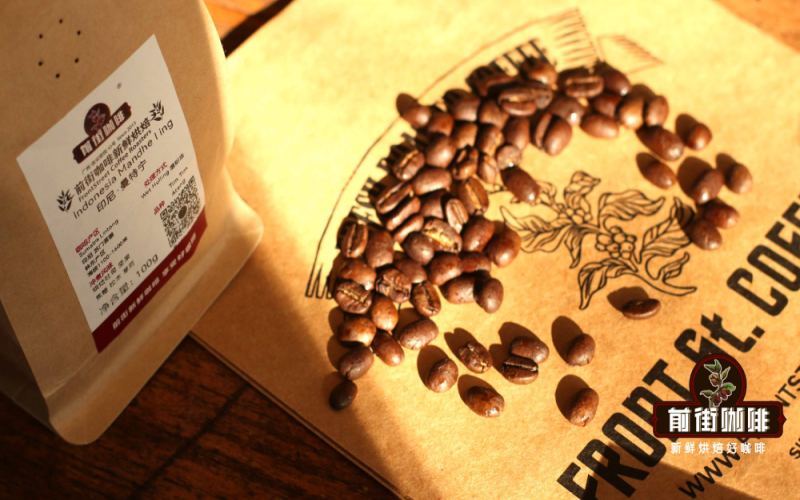
A Selection of Full-Bodied, Low-Acid Pour-Over Coffee Beans: An Analysis of Indonesian Mandheling Flavor and a Detailed Explanation of the Wet-Hulling Process
Looking for a pour-over coffee bean that's not acidic but rich and full-bodied? Front Street Indonesia Mandheling might just be your ideal choice. Mandheling has always been famous for its heavy body, smooth on the palate, with pronounced bitterness and richness, low acidity yet still retaining a lively hint of tartness, mingled with intense aroma and a faint earthy fragrance. This bean is processed using Indonesia's unique wet-hulling method, from depulping and pulping, soaking and washing, first drying, to collection, second drying, wet-hulling to remove the parchment, and finally drying and storage—every step shapes its distinctive character. The article will also recommend the finest among Mandheling beans—Front Street Golden Mandheling, sourced from Indonesia's PWN green bean company, outstanding in both flavor intensity and cleanliness, worthy of being called the king of Mandheling. [more…]
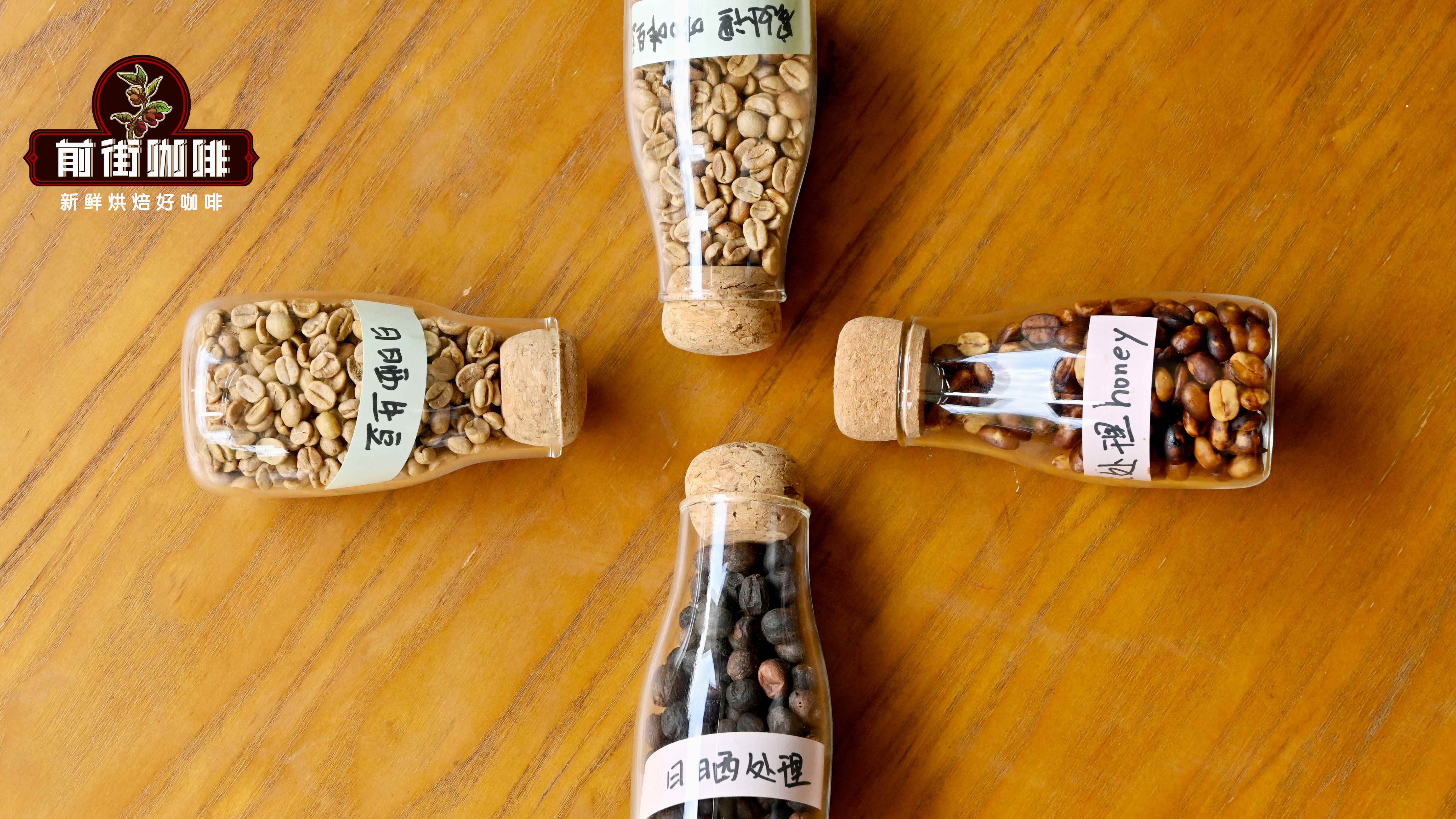
An Analysis of the Wet-Hulling Process of Indonesian Golden Mandheling: From Semi-Washed Processing to the Signature Goat-Hoof Bean Feature
The coffee processing method determines the flavor direction of green beans. Among the three major categories of natural, washed, and semi-washed, the Indonesian island of Sumatra, due to its year-round humid climate, developed a unique wet-hulling method—removing the parchment layer while the bean's moisture content is still as high as 30% to 35%, leaving the green beans exposed to continue drying. This locally adapted craft shortens the fermentation period and reduces acidity, yet enhances body, and gives Mandheling its "taste of place" woven with herbal, woody, and caramel notes. Front Street Golden Mandheling is precisely made using this method, undergoing three hand-sortings and one machine-sorting, resulting in an extremely low defect rate and a clean, pure taste. This article will detail the seven steps of the wet-hulling method and explain why the distinctive "sheep-hoof" appearance of wet-hulled beans should not be considered a defect. [more…]
Exploring Indonesian Mandheling Coffee: A Full Analysis of Sumatra's Terroir, Wet-Hulling Process, and Flavor Grading
Mandheling coffee is one of the most recognizable representatives on Asia's coffee map, winning over many coffee lovers with its herbal, spicy notes and full-bodied mouthfeel. From the perspective of Front Street Coffee, this article systematically reviews Mandheling's regional terroir, the origin of its name, the principles and steps of the wet-hulling process, and Indonesia's coffee grading standards, then introduces one by one the origin information and cupping flavors of four representative Mandheling coffees offered at Front Street: PWN Golden Mandheling, Lintong Mandheling, Tiger Mandheling, and Aged Mandheling. Finally, a unified set of brewing parameters and techniques is included to help readers gain a comprehensive understanding of the unique charm of Mandheling coffee. [more…]
Exploring the Flavors of Sumatra Mandheling Coffee: From Wet-Hulling to Lintong, Golden, Tiger, and Aged Mandheling
Mandheling is known for its rich, full body and herbal, medicinal notes, but this Sumatra classic is not just one coffee. Among the Mandheling series sourced by Front Street Coffee, besides Golden Mandheling, there are also Lintong, Tiger, and Aged Mandheling, each representing a different flavor direction. This article begins with the history of Indonesian coffee, sorts out the origin of the name Mandheling, the process differences between wet-hulling and aged wet-hulling, and explains in detail the characteristics of Lintong, Golden, Tiger, Aged, and Wahana Estate sun-dried Mandheling. It also includes Front Street Coffee's roasting suggestions and brewing parameters to help coffee lovers understand the flavor landscape of Sumatran coffee more systematically. [more…]
Mandheling Coffee Flavor Analysis: From Wet-Hulling Process to Espresso Extraction, A Full Interpretation of the Taste of Five Front Street Coffee Beans
Mandheling is the most iconic coffee from Sumatra, Indonesia, renowned for its rich, full-bodied character, low acidity, and sweet aftertaste. This article begins with the origin of the Mandheling name, then delves into how the wet-hulling process shapes its flavor, details the flavor differences and brewing performance of five Mandheling varieties—Front Street Lintong, PWN Gold, Tiger, Aged, and Wahana Natural—and answers the common question of "Is Mandheling bitter when made as espresso?" Whether you're a newcomer just discovering Mandheling or a seasoned connoisseur looking for a reliable everyday bean, you'll find a complete flavor map of this classic coffee here. [more…]
Indonesian Golden Mandheling Coffee Beans Origin and Flavor Analysis: Grade Standards, Wet-Hulling Process, and Front Street PWN Selection
Golden Mandheling is one of the most representative coffees from the Sumatra region of Indonesia, renowned for its full-bodied mouthfeel and distinctive flavor. This article starts with the PWN Golden Mandheling sourced from Front Street Coffee, providing a detailed introduction to the geographical background of its origin at Mount Gayo and Lake Tawar, the stringent standards of its G1 grade and triple hand-sorting, an analysis of the origins and characteristics of the Ateng variety, and an in-depth explanation of how Indonesia's unique wet-hulling process shapes Mandheling's signature goat-hoof-shaped green beans and clean sweetness. It also includes complete product information for Front Street Coffee's PWN Golden Mandheling, including region, altitude, processing method, and flavor description, offering coffee enthusiasts a professional and practical reference guide. [more…]
Indonesian Sumatra Mandheling Pour-Over Techniques: How the Wet-Hulling Process Shapes Its Unique Flavor and an Analysis of Its Producing Regions
Mandheling coffee, with its full-bodied mouthfeel and unique flavor, enjoys polarized reviews within the coffee community—those who prefer acidity often keep their distance, while enthusiasts who dislike acidity are particularly fond of it. This distinct character stems from the unique wet-hulling method native to Sumatra, known in Indonesian as "Giling Basah." The wet-hulling process removes the parchment layer before the coffee beans are fully dried; although it increases processing risks, it unexpectedly imparts a jungle-like aroma interwoven with herbal, spice, and woody notes. This article will guide you through Mandheling's growing regions, the specific steps of wet-hulling, and how to present its classic flavors using a moka pot or pour-over method, while also introducing the product features and brewing suggestions for Front Street Indonesia Mandheling and Front Street PWN Golden Mandheling. [more…]
Exploring Indonesian Sumatra Mandheling: The Flavor Origins of Wet-Hulling and a Cupping Comparison of Four Front Street Coffee Beans
Mandheling is one of the most recognizable coffees in Asia, and its name does not come from a region or a variety, but from a historical misunderstanding. From the perspective of Front Street Coffee, this article sorts out the growing geography of Sumatra, Indonesia, the origin of Mandheling and its flavor characteristics, deeply analyzes how the wet-hulling process shapes its unique low-acid, thick mouthfeel, and introduces one by one the origin information and flavor performance of four wet-hulled Mandheling coffees in Front Street's shop—PWN Golden Mandheling, Lintong Mandheling, Tiger Mandheling, and Aged Mandheling. Finally, it includes a brewing recipe with unified parameters and a cupping comparison, providing coffee lovers with a complete framework for understanding Mandheling. [more…]
An Analysis of the Flavor Characteristics of Indonesian PWN Golden Mandheling: How the Wet-Hulling Process and Five-Time Strict Selection Shape a Classic Taste
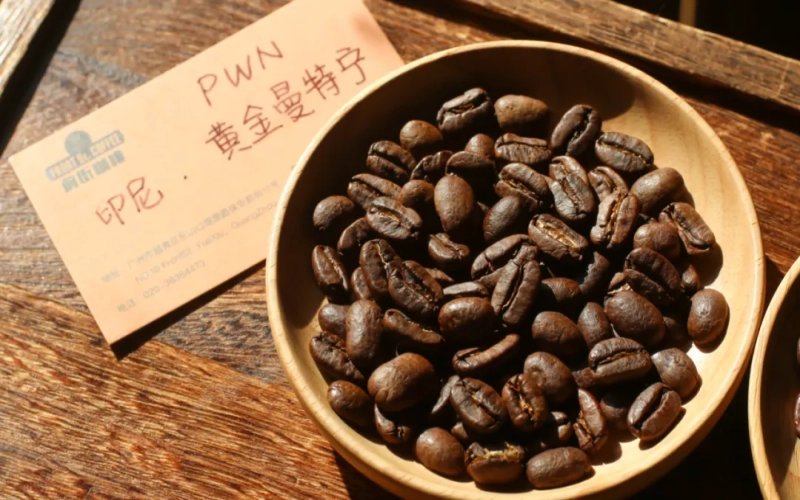
Mandheling coffee is the representative of Indonesian coffee, and PWN Golden Mandheling is the benchmark among them. Starting from the specific information of Front Street PWN Golden Mandheling, this article will analyze the sweet herbal, cinnamon spice, orange-grapefruit peel, creamy walnut chocolate and other flavors brought by its producing region, bean variety, altitude, processing method and roast level, and take an in-depth look at the origin, steps and aged wet-hulling method of the Sumatran wet-hulling process. At the same time, we will also reveal how PWN achieves the cleanliness and uniform appearance of Golden Mandheling through one density and color sorting screening and four rounds of manual hand-picking, as well as the interesting misunderstanding behind the name Mandheling. [more…]
Tracing the Origins of Indonesian Mandheling Coffee: A Full Analysis of the Wet-Hulling Process and Classic Flavor
Mandheling, as the iconic representative of Indonesian coffee, carries a rich historical heritage and unique regional processing techniques behind it. From the Dutch introducing coffee to the island of Java in the 17th century, to Sumatra becoming a major producing region, and then to "Mandailing" evolving into "Mandheling" due to a mispronunciation, this coffee bean embodies a story spanning hundreds of years. Sumatra's unique wet-hulling method, under high-temperature and high-humidity conditions, creates Mandheling's signature woody and herbal notes. This article will take you through an in-depth understanding of Mandheling's origin background, processing techniques, and classic flavors, and recommend two high-value products: Front Street Coffee Lindong Mandheling and Front Street Coffee Classic Blend. Whether it's a single-origin pour-over or an espresso extraction, you can experience the unique charm of this coffee. [more…]

Sumatra Coffee Bean Flavor Analysis: Mandheling Varieties, Wet-Hulling Processing, and Roasting & Brewing Guide
Sumatra is one of Indonesia's most important coffee-producing regions, world-famous for Mandheling coffee. From the perspective of Front Street Coffee, this article systematically reviews the historical context of Sumatran coffee, the origin of the name Mandheling, and the connection between PWN and Golden Mandheling. The article focuses on the five Mandheling coffees on Front Street's bean list—Lintong, Golden, Tiger, Aged, and Wahana Estate Natural—analyzing each one's region, processing method, and flavor characteristics, while providing an in-depth explanation of the two-stage wet-hulling process and the special craft of aged wet-hulled coffee. In addition, it includes Front Street's roasting plans and brewing suggestions for these five beans, helping coffee enthusiasts fully understand the rich, full-bodied charm of Mandheling. [more…]
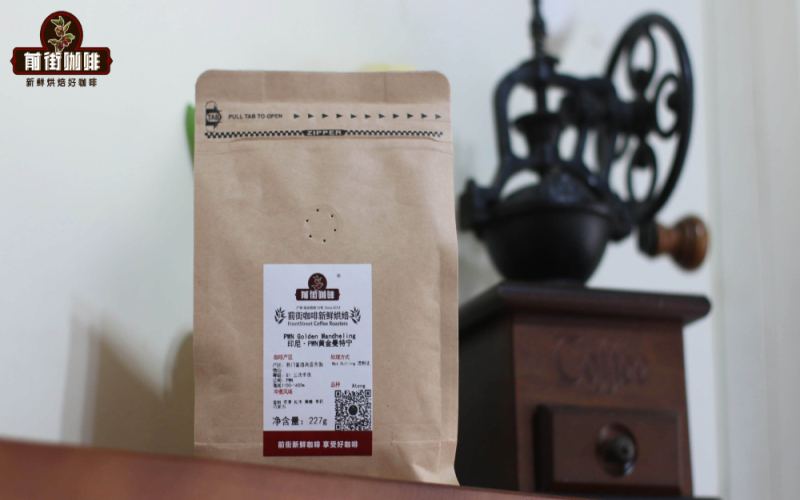
A Full Breakdown of Indonesia's Wet-Hulling Process: How Golden Mandheling's Unique Flavor Is Formed and PWN's Grading Standards
Golden Mandheling's herbal, medicinal aroma, intense sweet aftertaste, and robust, full-bodied mouthfeel have captivated countless coffee connoisseurs. Front Street Coffee believes that the formation of this unique flavor stems both from the innate conditions of variety and terroir, and from Indonesia's distinctive wet-hulling process. This article will thoroughly break down the four key steps of wet hulling, explain why it must race against time in a high-humidity environment, and clarify the essential differences between ordinary Mandheling and PWN Golden Mandheling, helping you accurately identify genuine Golden Mandheling when making a purchase. [more…]
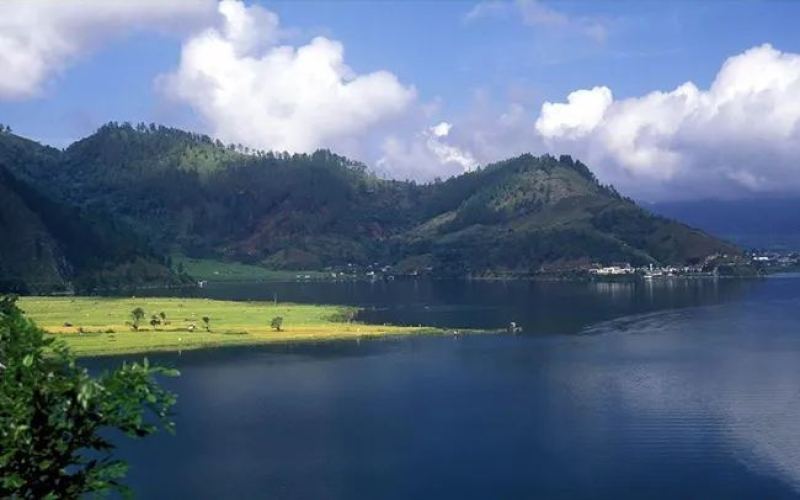
The Unique Charm of Sumatran Coffee: An Analysis of Mandheling Flavor and the Wet-Hulling Process
Indonesia is an important coffee-producing country globally, and the Mandheling coffee from its Sumatra island is renowned worldwide for its rich and full-bodied flavor. The name Mandheling originates from an amusing misunderstanding during World War II and has now become an iconic representation of Indonesian coffee. Sumatra island boasts unique growing conditions such as volcanic soil and a tropical rainforest climate, with Arabica varieties mainly distributed in the Gayo Mountain and Lintong producing areas of the Barisan Mountains. The local unique wet-hulling process significantly shortens drying time, creating Mandheling's distinctive flavor profile of clean brightness and intense sweetness. Front Street Coffee's PWM Golden Mandheling comes from the Gayo Mountain producing area, undergoing three rounds of strict hand sorting according to PWN company standards, presenting high quality with uniform bean shape and balanced taste. This article will guide you through an in-depth understanding of Sumatra coffee's terroir conditions, main producing areas, and the specific process of wet-hulling. [more…]